 Bernette
As a country, the US is checking off an uncomfortable number of precursors that usually signal a major change in the economy. These are the same precursors that showed up ahead of each of the last US recession in 2008, prior recessions, and even the Great Depression. It’s almost like we’re sitting at the edge of a cliff with the wind at our back.
5 Signs the US Economy May be Heading Towards a Recession or Worse
These five signs were precursors for past recessions and the Great Depression.
- 1. The Buffett Indicator over 100%
- We currently are over 200% market value to GDP (speculation and euphoria in stock market)
- High market cap-to-GDP (like the Buffett Indicator) levels have signaled overvaluation and speculative bubbles. This was true before the 1929 crash, the Dot-com bubble (2000), and the 2008 financial crisis, but things may be a little different due to the tech factors and more globalization.
- We currently are over 200% market value to GDP (speculation and euphoria in stock market)
- 2. Housing prices/home sales declining, high buy-to-rent ratio, affordability crisis
- Housing prices and home sales are declining in many markets, including her in Georgia, and in some markets buying a home is 5x what it would be to rent AND payments that are beyond what people can afford.
- 3. Underemployment rates are rising, there are more job cuts, and fewer open full-time jobs
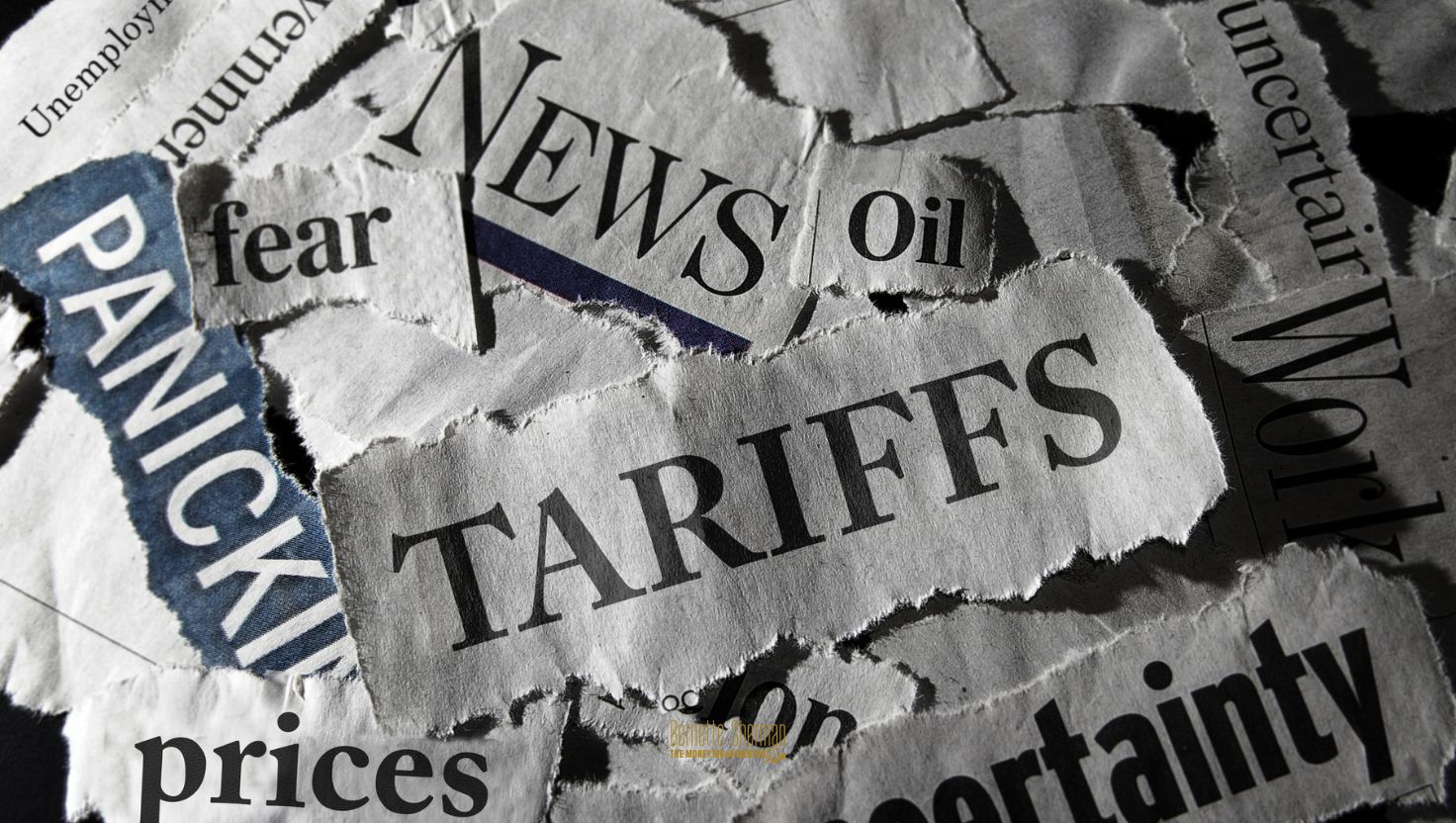
- In all major U.S. recessions, the labor market deteriorated before or early into the downturn. It also reflects declining business confidence. With the trade war and tariff uncertainty, many businesses don’t know what to do. Others front-ran the tariffs and are sitting on supplies so they don’t need to make them or buy them now.
- 4. Debt levels that are becoming unserviceable while interest rates increasing at the household and country level.
- Debt and stock market overvaluation paired with use of margins were key to the Great Depression (credit contraction), 1980s Volcker recession (interest rate shock), and 2008 (mortgage crisis). Public debt issues (e.g., Eurozone crisis) show similar dynamics.
- 5. Sociopolitical/geopolitical stressors and division, which create uncertainty and can hurt investments.
- The 1930s had political polarization, trade wars (Smoot-Hawley), and global instability. Sounds familiar? This kind of thing can lead to ineffective politics and low consumer confidence on top of low economic stability.
If you like to nerd out a bit, watch some of the videos on YouTube with Ray Dalio, especially this one. And check out his all weather investing portfolio suggestions. Also, check out this video here, which is a crash course from another person.
They do require some time to watch but are worth it.
I’m not a financial analyst, finance expert, financial advisor, or economist. I just like learning, researching, and information.
I want to add that what is happening in the world doesn’t have to be your experience and being aware and prepared is not the same as accepting a destiny.
As conscious creators, we have control of how we respond to what is happening, rather than simply reacting. We can create the lived experiences we want by knowing what is going on and then making conscious decisions and taking inspired and intentional action.